Cut HVAC costs without
tenant complaints
Voltpathio re-optimizes your commercial building's HVAC, lighting, and zone schedules every hour against a 48-hour occupancy and weather forecast — not a schedule set once and forgotten.
Most commercial HVAC schedules were set at commissioning. The building changed. The schedule didn't.
Most commercial building HVAC schedules are set during commissioning and adjusted once or twice a year — if that. The building changes: tenant hours shift, meeting patterns evolve, seasonal transitions arrive weeks early or late. The schedule doesn't.
The result is pre-conditioning running at full capacity for an occupancy level that may be 30% of what the schedule assumes. You are paying peak rates for empty floors.
Voltpathio re-optimizes every hour against what is actually happening in your building and what the next 48 hours look like — weather, calendar, and occupancy pattern combined.
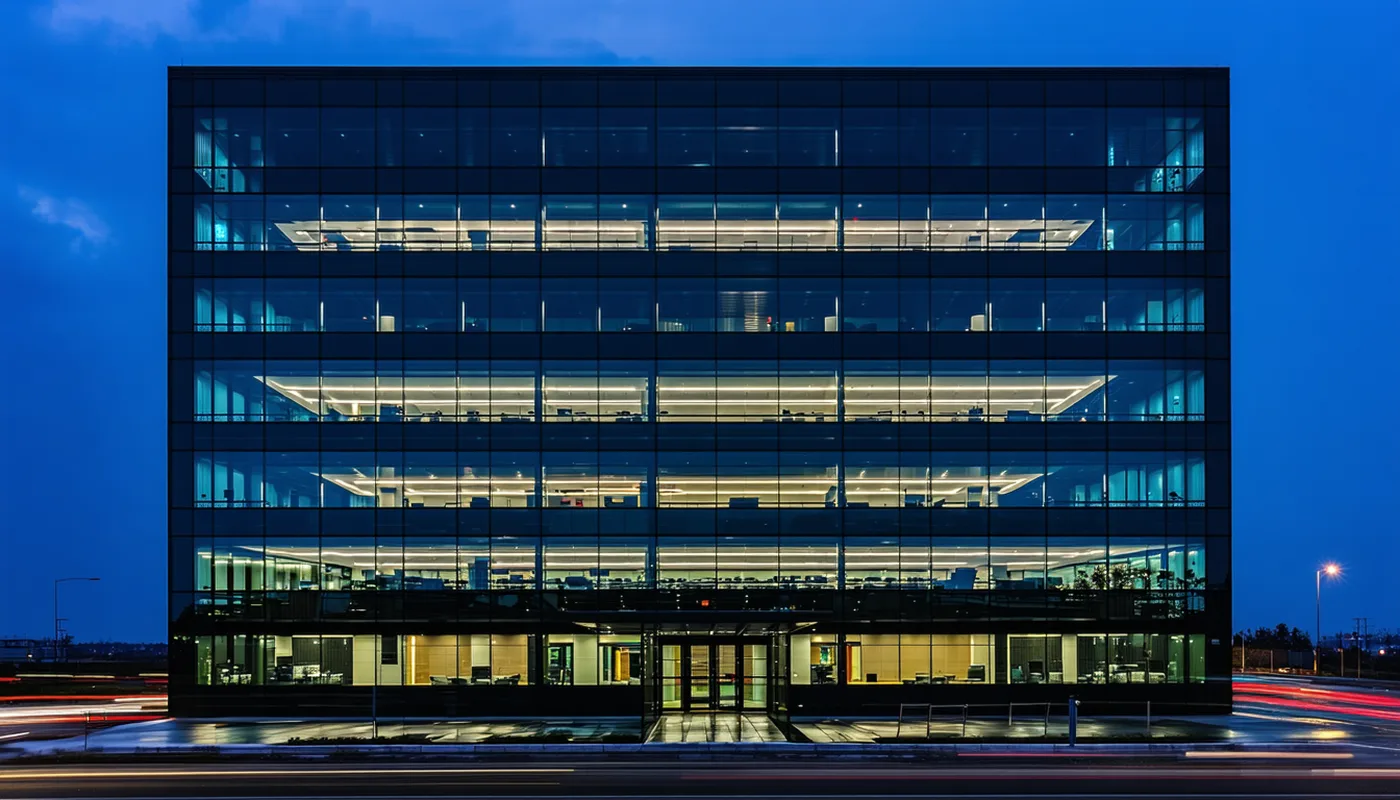
Built for how commercial properties actually operate
Adaptive pre-cooling and heating around meeting density. Voltpathio reads your calendar integration to predict occupancy by floor and zone, starting HVAC earlier on high-density days and stepping back on unexpectedly light days. Tenants feel no difference.
Lighting and HVAC zone management driven by footfall prediction. High-traffic anchor stores get different conditioning profiles than lower-traffic wings. Entrance vestibule HVAC is calibrated to projected foot traffic, not a fixed schedule.
Dock door vestibule heating calibrated to inbound shipment schedules. Loading dock HVAC runs with actual freight timing rather than a 24-hour fixed cycle — significant savings in cold-weather climates where vestibule heating is a major cost driver.
Measurable outcomes — weather-normalized and logged per schedule change
See your building's HVAC savings potential — based on your actual interval meter data
We build a consumption profile from your last 3 months of utility bills before the demo call. You see real kWh reduction estimates for your specific building — not a range from a case study about a different building type. This is not fault detection or retro-commissioning — it is schedule optimization on top of a functioning BMS.